
Da Vinci robotic surgery
The doctor heads robotic (Da Vinci) and laparoscopic urology at Lausitzer Seenland Klinikum (Sana).
Last updated:
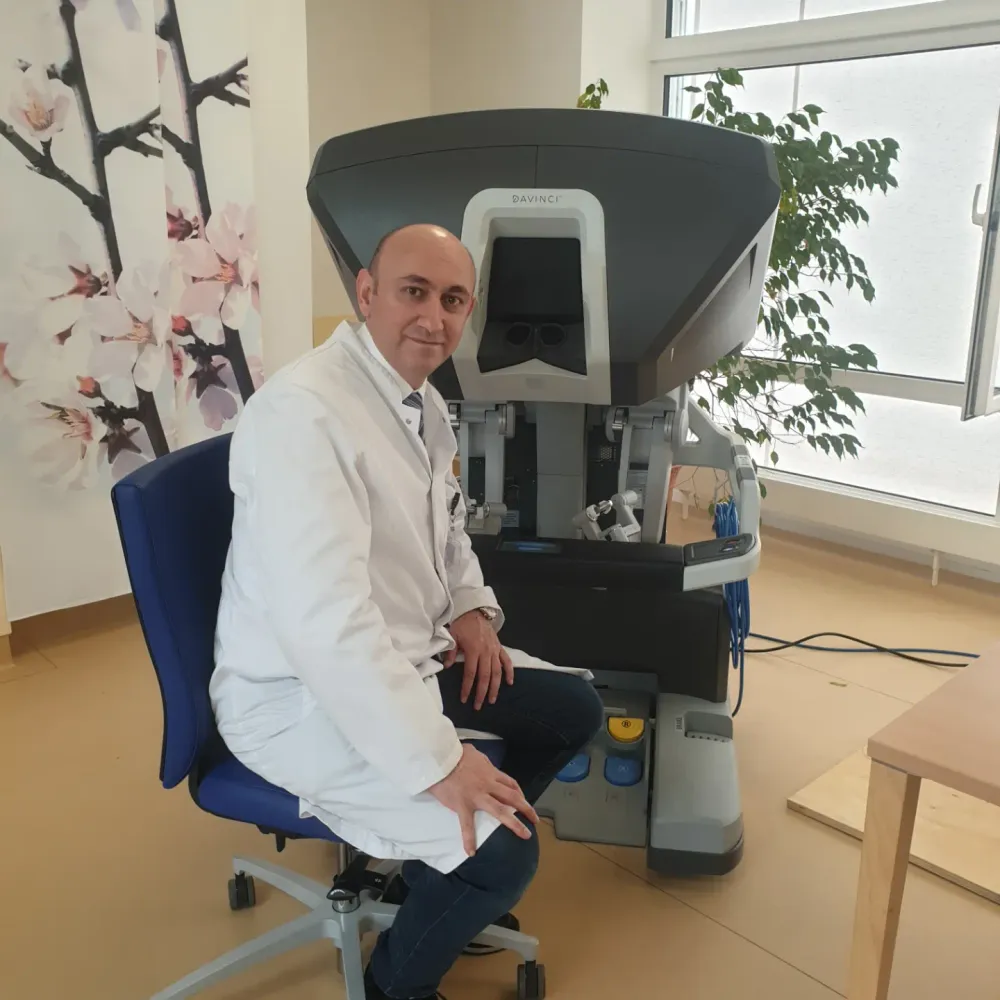
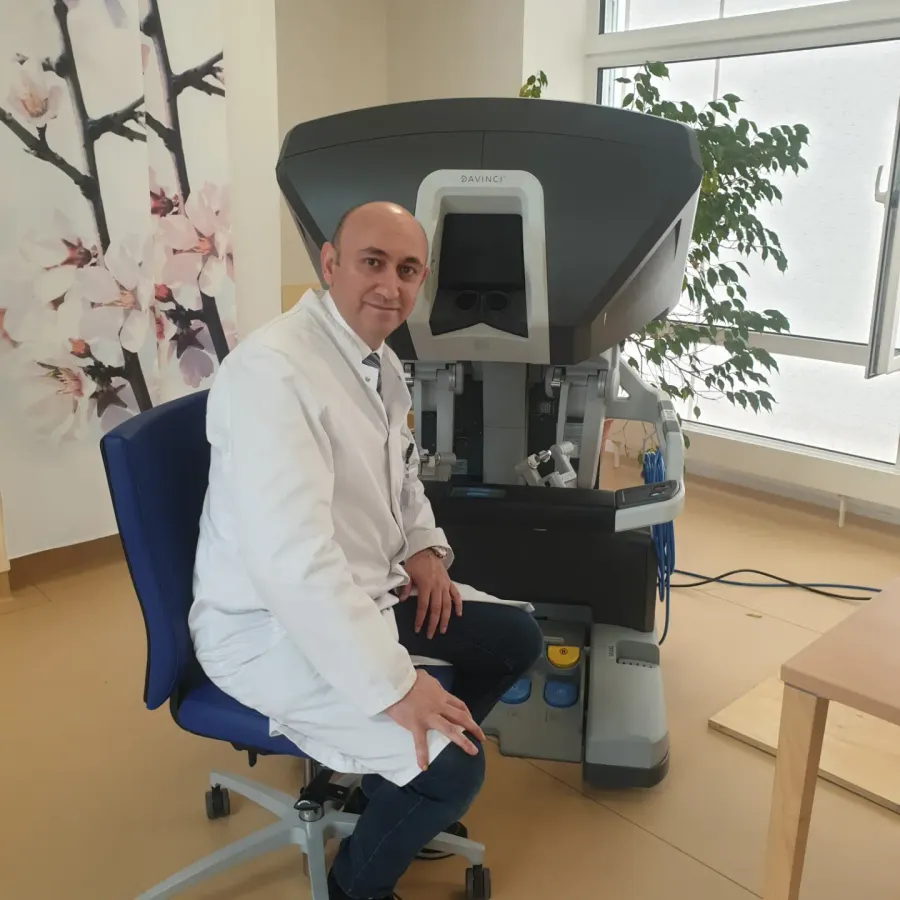
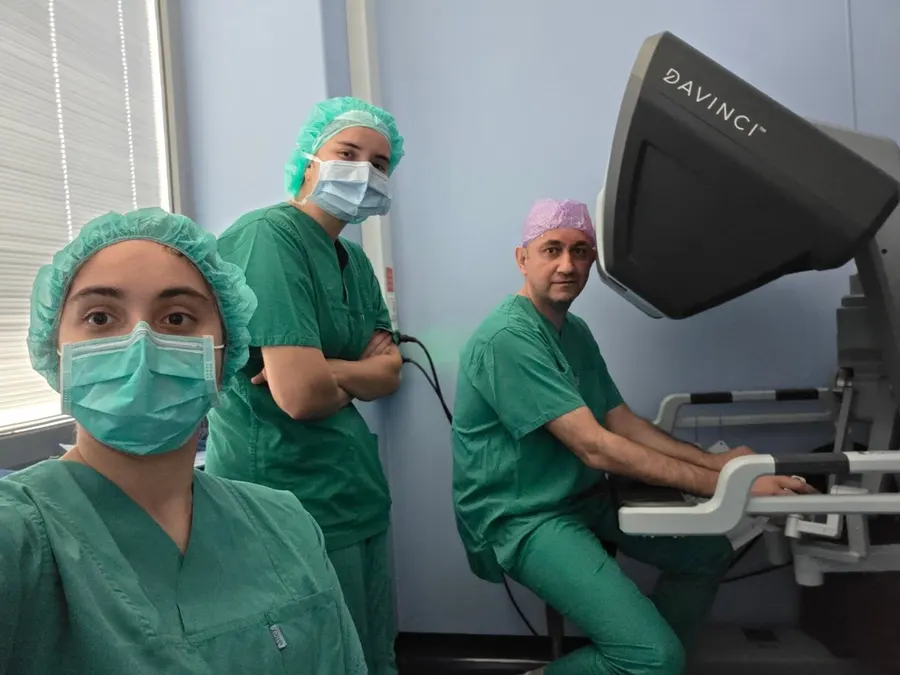
The system at the hospital
- Model
- Da Vinci Xi
- Installed
- April 2024
- First operation
- 5 June 2024
- Funding
- Under the €6.5 million InvKG project (Investment Act for Coal Regions; Da Vinci robot and hybrid operating room) — with funds from the Federal Republic of Germany and the Free State of Saxony
- Hospital
- Lausitzer Seenland Klinikum (Sana), Hoyerswerda, Saxony
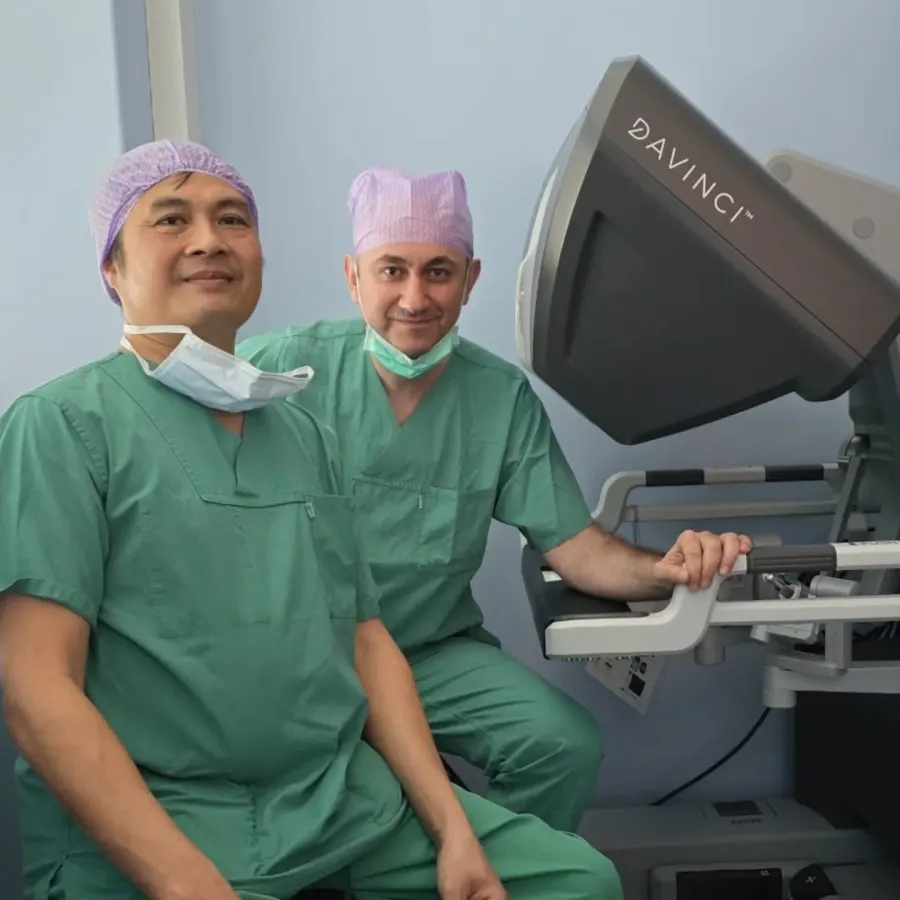
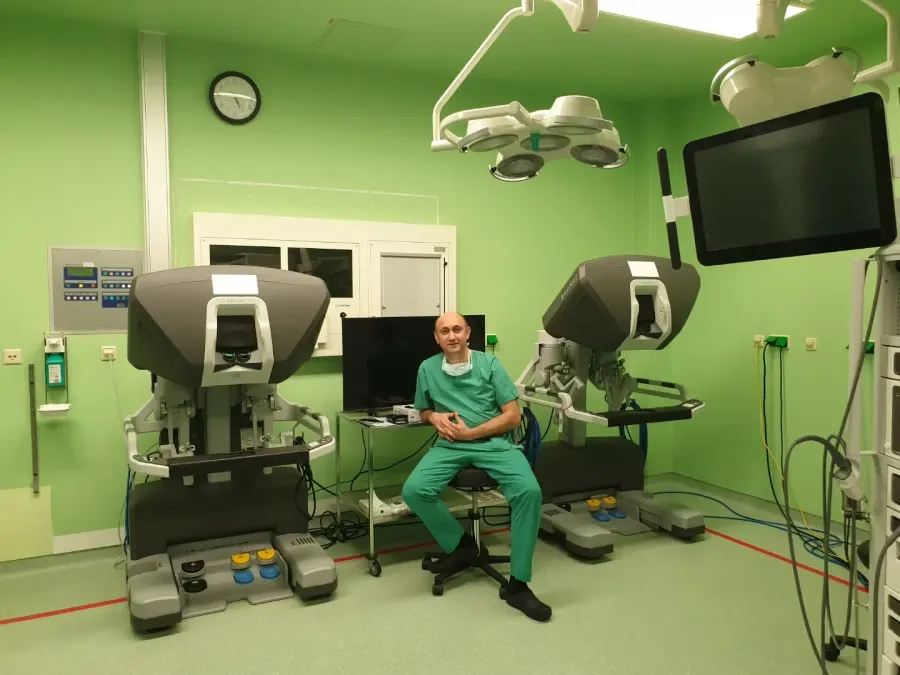
From the operating room
Frequently asked questions
No. The robot does not make decisions and does not move independently. The surgeon controls every movement from the console; the system simply transfers the surgeon’s hand movements to the instruments on a smaller scale and without tremor.
The robotic system gives the surgeon a three-dimensional, magnified view and a range of motion wider than that of the human wrist; this supports precise work, especially in operations that require suturing and reconstruction in a confined space (for example, radical prostatectomy). Compared with open surgery, the incisions are smaller, and many patients may have less blood loss, a shorter hospital stay and a shorter recovery. Nevertheless, robotic surgery is still major surgery: there are risks of bleeding, infection, injury to neighboring organs and anesthesia-related complications, as well as the possibility of converting to open surgery during the operation; setting up the system takes extra time, and the robot may not be usable for large masses. The robotic approach may not be better than other methods for every patient, and outcomes vary from patient to patient.
In urology, mainly for prostate and kidney operations — radical prostatectomy, removal of kidney tumors and bladder surgery. At the hospital, it is also used in general surgery and gynecology.
No. Suitability depends on the stage of the tumor, previous operations, coexisting conditions and the ability to tolerate general anesthesia. The decision is made individually after an examination.
Training and international work
Expert course — Kiel, 2024
August 2024, Kiel — Intuitive expert course. The course was run on two robots, included operations on models and focused on mastering advanced techniques.
Live surgery broadcasts — Baku
The doctor was the initiator and organizer of live broadcasts of robotic operations from Germany to the international congress on minimally invasive surgery in Baku; hundreds of doctors watched the broadcasts.
- 8–11 May 2025 — robotic radical prostatectomy
- 7–10 May 2026 — robotic pyeloplasty (reconstruction of the renal pelvis); the operation was performed by the head of the urology department (Chefarzt), Dr. med. Nasreldin Mohammed
Robotic surgery is not suitable for every patient and may not always be better than open or laparoscopic surgery. The choice of approach is made after an examination, based on the patient’s clinical condition.