
Dr. Rufat Asadbeyli
Urologist · Andrologist · Uro-oncologist
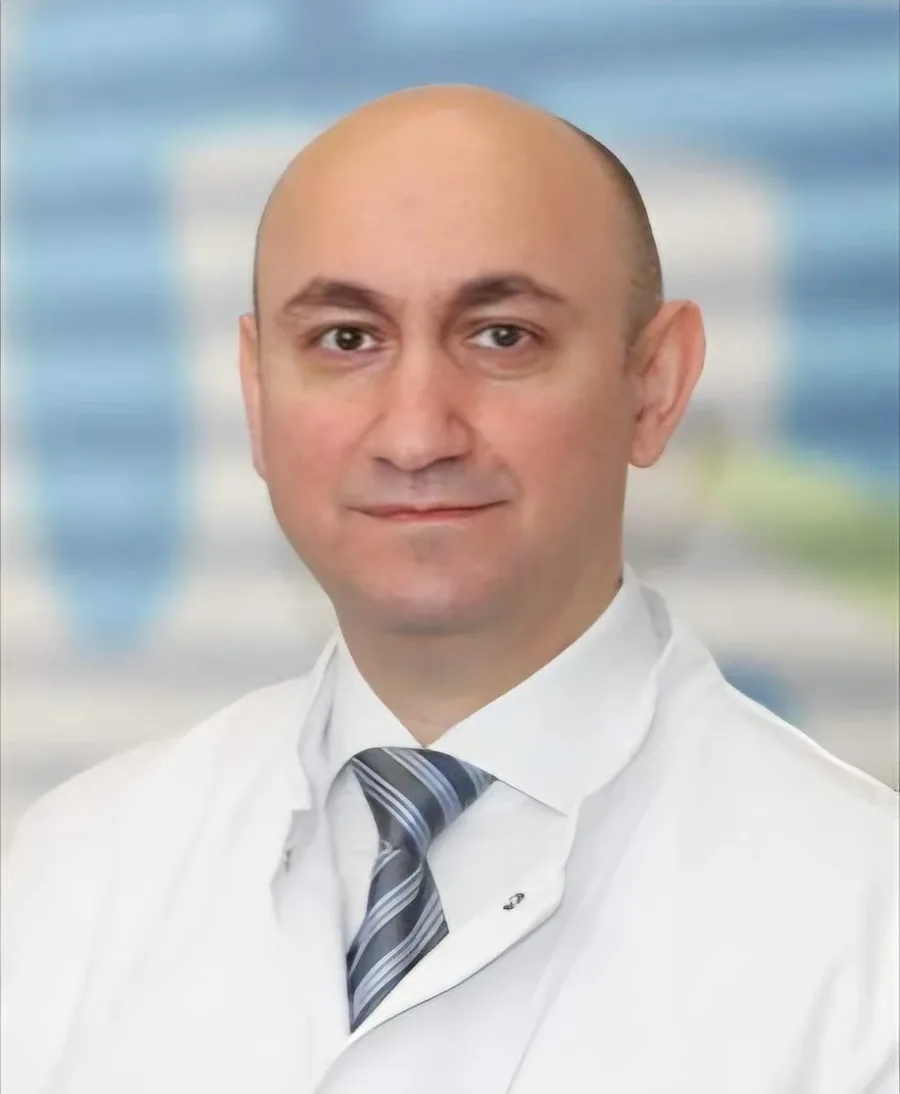
He specializes in urology, uro-oncological surgery and laparoscopic urology. Born and raised in Ganja, he graduated from Azerbaijan Medical University, Faculty of Pediatrics (1992–1998) — Diploma with honors (“Red Diploma”) — and went on to work at various clinics in Azerbaijan and Germany, gaining clinical experience in urology and pediatric urology.
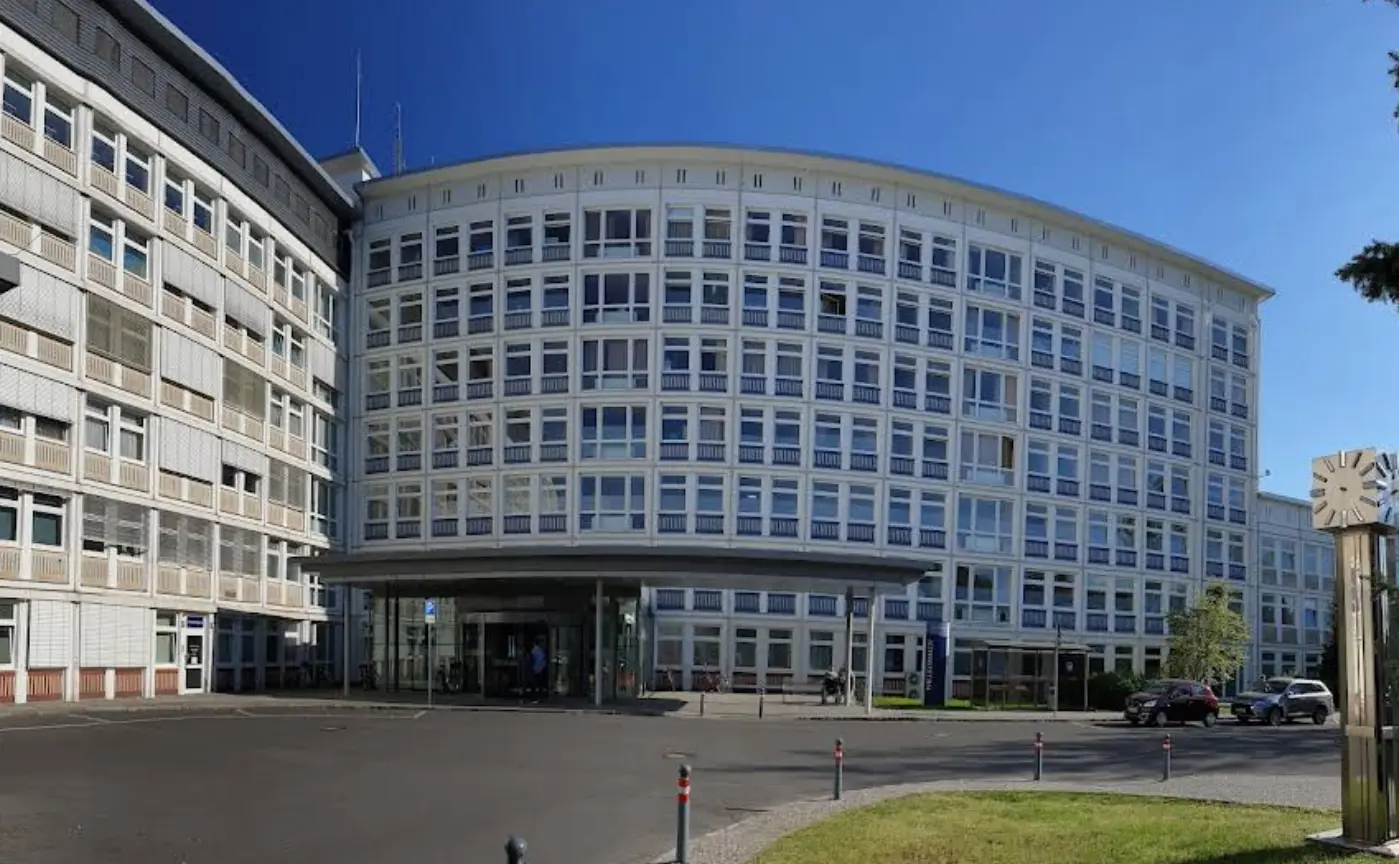
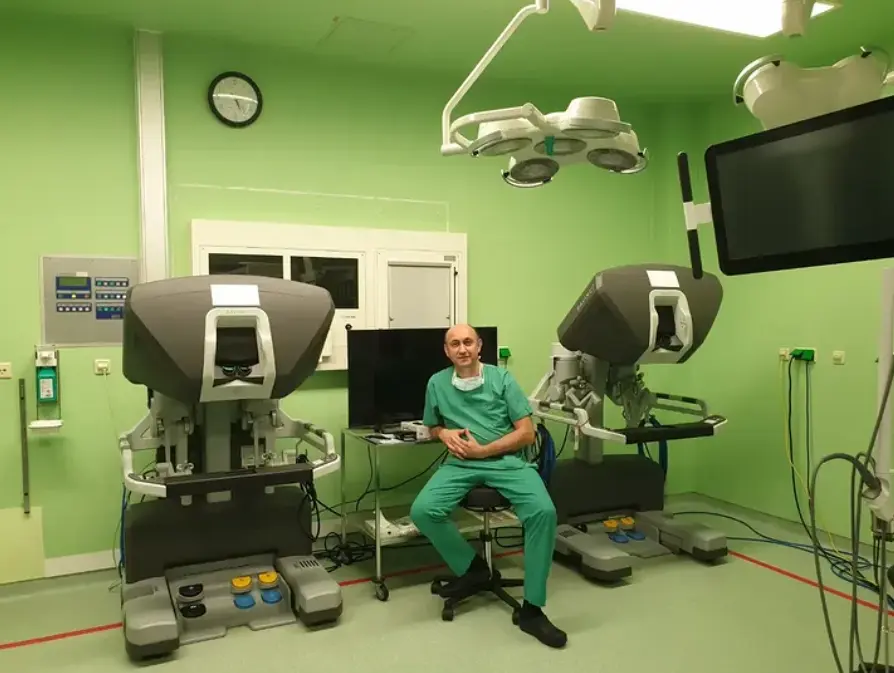
He currently works as Leitender Oberarzt — “deputy head of the urology department” — in the Department of Urology, Pediatric Urology and Oncological Urology at Lausitzer Seenland Klinikum (Sana) in Hoyerswerda, Saxony, where he heads the robotic (Da Vinci) and laparoscopic urology unit. The head of the urology department (Chefarzt) is Dr. med. Nasreldin Mohammed.
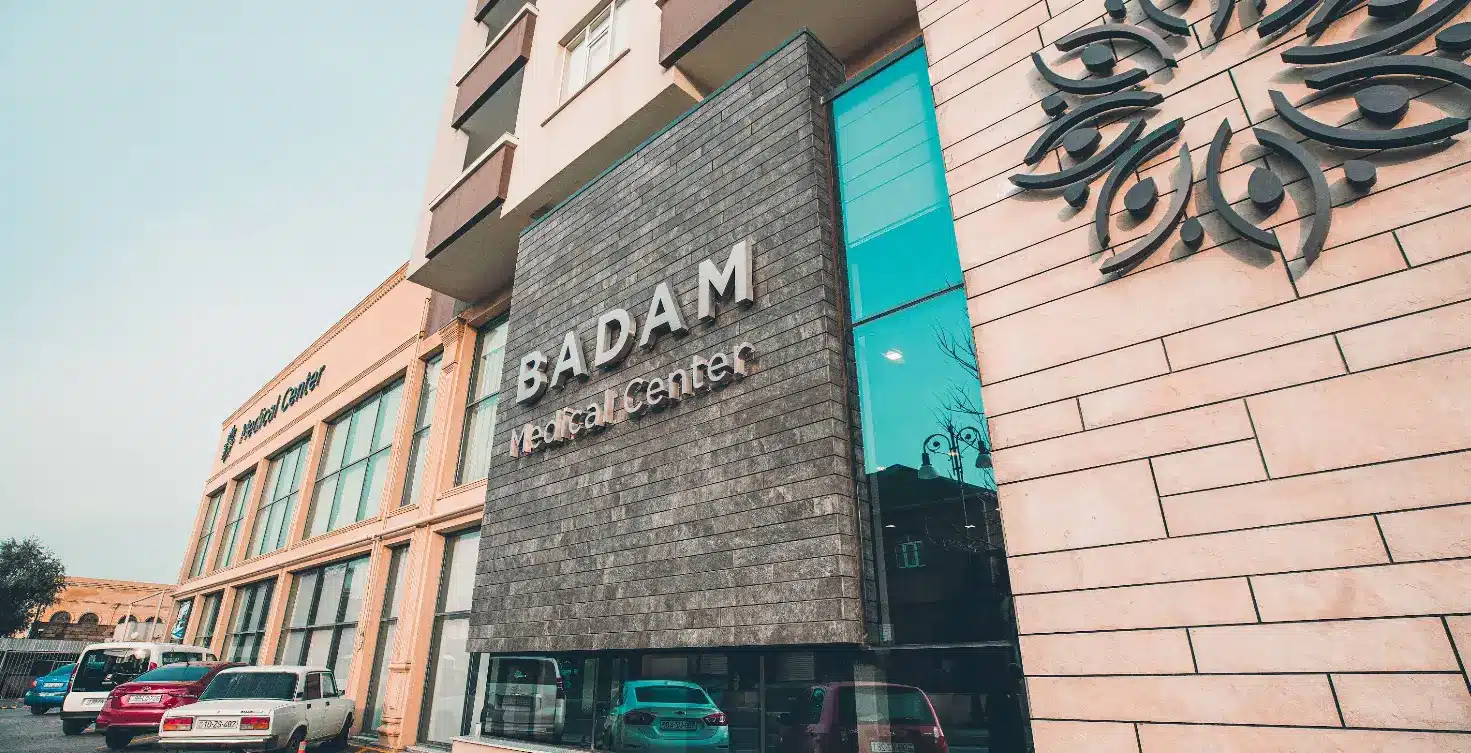
In Baku, he previously worked at Baku Health Center (2020); appointments now take place at Badam Medical Center.
At a glance
- Specialty
- Urologist · Andrologist · Uro-oncologist
- Board certification (Germany)
- Facharzt für Urologie
- Position
- Leitender Oberarzt
Leiter Robotische (Da Vinci) und laparoskopische Urologie - Hospital
- Lausitzer Seenland Klinikum (Sana), Hoyerswerda, Saxony
- Appointments in Baku
- Badam Medical Center
every 2–3 months - Surgical experience
- 7800+ operations
- Education
- Azerbaijan Medical University, Faculty of Pediatrics (1992–1998)
- Languages
- Azerbaijani, German, English, Turkish, Russian
Purpose · Goal · Values
Purpose
Accurate diagnosis grounded in German clinical practice and European protocols; restoring health with methods that avoid incisions wherever possible.
Goal
To standardize the use of modern surgical technologies — including the Da Vinci system — and to be a trusted point of reference, with the right strategic approach even in the most complex clinical cases.
Values
Scientific precision rooted in German discipline, complete transparency about diagnosis and risks, organ-preserving surgery and patient satisfaction.
Clinical focus areas
Prostate conditions
Benign enlargement, inflammation, risk assessment and surgical treatment.
Men’s health — andrology
Infertility, varicocele, hormonal and functional problems, micro-TESE.
Bladder and urinary incontinence
Overactive bladder, chronic cystitis, TOT/TVT sling procedures.
Uro-oncology
Stepwise diagnostics and surgical planning for kidney, bladder and prostate conditions.
Pediatric urology
Bedwetting (enuresis), frequent urination and urinary tract problems in children.
Kidney and urinary tract stones
RIRS, percutaneous nephrolithotomy and conservative treatment.
International activities and training
Live robotic surgery broadcasts
He is the initiator and organizer of live broadcasts of robotic operations from Germany to the international congress on minimally invasive surgery in Baku:
- 8–11 May 2025 — robotic radical prostatectomy
- 7–10 May 2026 — robotic pyeloplasty (reconstruction of the renal pelvis); the operation was performed by the head of the urology department (Chefarzt), Dr. med. Nasreldin Mohammed
Training for doctors
ThuLEP (thulium laser enucleation of the prostate) course for doctors from London and Glasgow; support for visiting doctors from Azerbaijan who train at the clinic.
Languages
Azerbaijani, German, English, Turkish, Russian.
Germany and Baku
“Whether one operation differs from another very often depends on the surgeon, on the surgeon’s experience and, at the same time, on the technical equipment. These are factors that complement each other.”